San Antonio’s food and life sciences sectors have grown steadily over the past decade, and both depend on reliable refrigerated storage. Whether you run a taqueria with a few pallets of perishables, distribute vaccines to clinics on the Southside, or move seasonal produce along I‑10 and I‑35, regulatory compliance is the quiet backbone of your cold chain. The rules are not there just to satisfy auditors. They’re designed to keep products safe despite our brutal summers, grid fluctuations, and the logistics squeeze that comes with festivals, military traffic, and peak tourism weeks.
I have walked docks at 5 a.m. when compressors struggle against 78 percent humidity, watched inspectors probe pallets with calibrated thermometers, and seen shipments quarantined because a data logger showed a three-hour excursion at 45°F. The hard lesson in each case was the same: standards shape every operational decision, and the cheapest option rarely stays cheap.
The regulatory map in Bexar County
Compliance in a refrigerated storage facility in San Antonio TX pulls from several layers of rules. Federal law provides the framework, the state adds specificity, and local guidance determines how those rules play out in practice.
At the federal level, the Food Safety Modernization Act (FSMA) and its Preventive Controls rules require hazard analysis, monitoring, and corrective actions. If you store seafood, juice, or meat, the corresponding FDA or USDA programs apply. For carriers and third-party logistics providers, FSMA’s Sanitary Transportation rule matters too, since it covers pre-cooling, temperature monitoring, and vehicle sanitation.
Texas law, enforced primarily through the Department of State Health Services (DSHS), requires licensing for food storage and distribution. Temperature-controlled warehouses that handle dairy, eggs, or ready-to-eat items are subject to additional labeling and segregation requirements. Over on the pharmaceutical side, the Texas State Board of Pharmacy and Texas DSHS Vaccine Program adopt CDC’s Vaccine Storage and Handling Toolkit as a practical standard.
Locally, the San Antonio Metropolitan Health District inspects facilities that store retail and food-service products, while the City of San Antonio’s Development Services Department handles building permits, including refrigeration equipment, electrical, and fire protection systems. Fire code matters more than people think. Ammonia systems trigger additional safety protocols, while large battery installations for backup power bring their own code requirements.
If your business searches “cold storage facility near me” or “refrigerated storage near me,” the options that appear may look similar online. In reality, the way each facility interprets and implements these standards can differ significantly. Ask how they prove compliance, not just whether they claim it.
Temperature classes and what they mean in Texas heat
Outside air temperatures in San Antonio routinely hit triple digits from late May through September, with heat indices making docks feel like a sauna. Not all refrigerated storage is the same. Most facilities segment their spaces by temperature class, and each class maps to specific product categories and regulatory expectations.
Refrigerated, often called “cooler,” generally runs between 34°F and 41°F. This range covers dairy, fresh-cut produce, many prepared foods, and some biologics that tolerate minor fluctuation. In practice, a good operation aims for a tighter set point, say 36°F to 38°F, because door openings, dock work, and defrost cycles cause swings that can push product to the top of the safe zone.
Frozen typically runs at 0°F or below. Meat, seafood, and frozen produce live here, along with certain ice creams that demand colder, more stable temperatures to prevent textural damage. Some facilities maintain deep-frozen zones at minus 10°F to minus 20°F for specialized product. Enforcement focuses on maintaining temperature through loading, staging, and cross-docking, not only inside the room.
Pharma or clinical storage often uses 2 to 8°C for refrigerated products, with discrete freezers at minus 20°C or minus 80°C for lab materials. For these, regulators and manufacturers expect traceable and calibrated monitoring, alarmed systems, and documented responses to any excursions.
San Antonio’s humidity forces attention to condensation and frost, especially on dock plates and door seals. Frost build-up is more than a housekeeping problem, it masks air leaks and reduces evaporator efficiency, which indirectly affects product temperature. When looking for a cold storage facility San Antonio TX, ask to see their defrost schedules and how they handle humidity on inbound trailers. You should hear the terms air curtains, vestibules, or sealed dock locks, each a sign the operator has thought about our climate.
Facility design that satisfies inspectors and operations
The bones of a compliant refrigerator warehouse look straightforward: insulated envelope, vapor barriers, adequate refrigeration capacity, and protected finishes. The details make or break performance.
Look first at the dock layout. San Antonio’s crosswinds and summer heat punish open docks. Facilities that use sealed dock shelters, pit-levelers with lip seals, and vestibules between the dock and cooler have fewer temperature spikes during loading. Some invest in pre-cool staging rooms where loads sit under control before entering the main cooler. It costs floor space, but it calms temperatures and keeps ice from accumulating at the main doorways.
Flooring should be insulated to prevent thermal shock and heaving. Older facilities sometimes show cracked floors at the threshold where warm dock meets cold room. That crack becomes a sanitary hazard and an energy leak, and a savvy inspector will note it. Wall and ceiling panels should have intact seams and protected corners. Light fixtures need shatterproof covers, especially over exposed product.
Drainage gets too little attention. Sanitary floor drains with adequate slope reduce standing water, which otherwise invites bacterial growth and slip hazards. Breeze through the janitor’s closet and chemical staging area as well. OSHA and food safety rules collide here. You want clear labeling, secondary containment, and separation from food-contact surfaces.
On ammonia, many larger cold storage operations in the region rely on anhydrous ammonia systems. They offer excellent efficiency but require process safety management programs, emergency venting, and detectable alarm systems. The San Antonio Fire Department expects clearly marked isolation valves, ventilated machinery rooms, and posted emergency response plans. If you hear the hiss of relief valves routinely or smell ammonia frequently around the machinery room, walk away.
For operations that need a cold storage facility San Antonio TX with lighter regulatory load, packaged refrigerants like CO2 transcritical or HFO blends are increasingly common. They still demand attention to leak detection and technician training, but they simplify permitting and reduce community risk.
Monitoring, logging, and the paper trail that keeps shipments moving
Regulatory compliance lives or dies in documentation. Inspectors do not just ask whether your refrigerated storage sits at 38°F. They ask how you know, how you respond when it doesn’t, and how you prove it happened.
Modern facilities use fixed sensors mounted at representative points: near doors, in airflow shadows, and at mid-rack levels. The best operators validate sensor placement during commissioning with temporary data loggers on pallets, then keep that proof. San Antonio’s heat means door-adjacent sensors can overstate fluctuation, so facilities calibrate with weighted glycol bottles to mimic product mass. That detail tends to impress auditors because it reduces false alarms and better reflects product temperature.
Expect continuous logging with at least five-minute intervals. For sensitive products, shorter intervals help identify short excursions that matter clinically but would be invisible at 15 minutes. Paper charts still have a place as a backup, but cloud systems with redundant gateways are now common. Ask where the data lives, how long it is retained, and how you retrieve it. Three years is a common retention period for food; pharmaceutical contracts can specify longer.
Alarms should be tiered. A visual alert on the room panel is not enough. You want text or email notifications to on-call staff and escalation if there is no response. Facilities that pass audits consistently can show you alarm history with timestamps, staff initials, and documented corrective actions. If you see long gaps, repeated nuisance alarms, or missing sign-offs, operations are probably chasing fires instead of preventing them.
People and training: the overlooked compliance engine
No policy survives a 3 a.m. compressor fault unless people are trained to respond. Facilities that achieve dependable compliance invest in short, frequent drills rather than annual marathons. New hires learn how to stage pallets without blocking evaporator airflow, why to keep product away from walls, and how to read data logger LEDs on outbound loads.
Food safety training in Texas often follows the Person in Charge model for retail and HACCP for processors. Even if a warehouse is not manufacturing, a HACCP-like approach makes sense. Define critical limits, such as 41°F for refrigerated foods, and list preventive measures, from dock seals to set-point tolerances. Then write clear corrective actions. If a probe shows 45°F in the core of a ready-to-eat product, do you move to a blast chiller, quarantine, test, or discard? Write it down, follow it, and review quarterly.
For pharma and vaccines, CDC expects staff to understand min-max thermometers, buffered probes, and the difference between air and product temperatures. The Texas Vaccines for Children program audits practices like daily min-max logs and twice-daily checks, with immediate documentation of actions when temperatures drift out of range. A facility that can meet those requirements will satisfy most medical distributors.
Language matters on the floor. San Antonio is bilingual in practice. Training materials and signage in both English and Spanish improve adherence and reduce accidents. It also shows inspectors that you respect workforce realities rather than checking boxes.
Power, resilience, and why ERCOT matters to your cold chain
The 2021 winter storm and subsequent conservation notices put power reliability on every operator’s risk register. A cold storage facility that cannot hold temperature during an outage risks product loss and regulatory violations. Resilience is now part of compliance, even if not spelled out line by line.
Look for backup generators sized to run compressors, evaporator fans, controls, and at least one dock door for emergency operations. Not every site can afford full coverage, but there are creative compromises. Some segment the coldest rooms on critical circuits and place high-risk product there during weather alerts. Others add thermal storage with phase-change materials that absorb heat during outages. Both strategies should be documented as part of the facility’s emergency response plan.
Load shedding controls help when ERCOT requests conservation. The idea is to temporarily slow defrost cycles or stagger compressor starts without letting temperatures drift past critical limits. Inspectors do not penalize conservation if you can show that food safety stayed intact. Data logs become your shield.
If you are touring a refrigerated storage San Antonio TX site, ask when they last ran a full load test on their generator and how long they can maintain temperature at 100 percent occupancy if grid power fails. A credible answer lives between 8 and 24 hours, depending on insulation, set points, and ambient conditions. Anything less than a few hours in our climate suggests risk.
Sanitation and pest control in a humid environment
Cold rooms feel clean, but low temperatures do not kill all pathogens. Condensate, standing water, and worn gaskets create micro habitats where Listeria can persist. Inspectors in Bexar County pay attention to cleaning schedules that specifically address cold environments.
Watch how crews clean evaporator pans and coils. It is easy to overspray and aerosolize residues, which then settle on product. The better approach uses foaming agents with controlled dwell times, followed by careful rinse and dry. Sanitation should happen during planned downtime with temperature recovery plans ready, especially in summer when doors open more often and humidity spikes.
Pest control in cold storage focuses on entry points and the dock. Birds slip in through loading bays, and rodents follow pallets into staging areas. You refrigerated storage want a documented, licensed pest control program with traps at mapped intervals, logs of catches, and trend analysis. Facilities near the river or large green spaces typically need tighter control, and an inspector who sees droppings behind racks will ask why monitoring did not catch it sooner.
Transportation interfaces: where compliance often fails
Many temperature excursions happen not inside the cold storage, but during transfer. Trailers show up warm, drivers are behind schedule, and pallets sweat while paperwork gets sorted. San Antonio’s summer compounds the risk.
Strong facilities pre-stage outgoing loads in a dock vestibule and require drivers to confirm trailer temperatures before loading. They keep calibrated infrared guns at each bay, but they also know IR only reads surface temperature. For sensitive loads, they probe core temperatures or use pallet-level data loggers. The paperwork supports the practice: bills of lading include set points, pre-cooling confirmation, and any special handling instructions.
FSMA’s Sanitary Transportation rule requires shippers, loaders, and carriers to define responsibilities. In practice, that means written agreements on who cleans trailers, who sets temperatures, and who verifies. If you rely on a cold storage facility near me to arrange transportation, read those agreements. When a load arrives at 55°F, the finger-pointing starts, and you want your responsibilities and rights in writing.
Finding the right partner in the metro area
San Antonio’s cold storage market includes a mix of legacy warehouses near the downtown rail lines, newer purpose-built DCs along the I‑35 corridor to New Braunfels, and specialized pharma hubs near the Medical Center and airport. Prices vary widely. Older spaces might run lower rates but add energy inefficiencies and maintenance headaches. Newer sites offer automation, denser racking, and better dock design, but availability can be tight in peak seasons.
When you search cold storage San Antonio TX or refrigerated storage San Antonio TX, pick three candidates and schedule on-site visits. Spend as much time at the docks and machinery rooms as in conference rooms. Ask for sample temperature logs for the last 90 days, copies of calibration certificates, and a tour during active loading. If they balk, consider that a sign.
A small produce distributor I worked with switched to a new warehouse that promised better rates. Within a month, condensation dripped from poorly insulated ceiling penetrations, and inspectors wrote them up for standing water. The short-term savings vanished in product loss and reinspection fees. They moved again, this time choosing a facility that had recently upgraded its air seals and evaporators. Temperatures stabilized, and so did the business.
Cost and contract structure, viewed through a compliance lens
The invoice from a cold storage facility is only partly about square footage and pallet positions. Compliance carries costs, and understanding them helps you compare options.
Energy surcharges have become common, tied to peak-season usage and ERCOT pricing. Ask how the facility manages demand and whether your loads can be staged off-peak to reduce your share. If they use variable-frequency drives and smart controls, they should be able to smooth demand without compromising temperatures.
Minimums and handling fees matter to your real cost. Facilities charge for rework, labeling, temperature probing, and after-hours access. Some of those tasks, like additional probing on inbound questionable loads, actually protect you. Others, like frequent re-stacking due to labeling errors, signal process problems on your end that you can fix.

Temperature mapping and validation fees are often passed through on pharma accounts. Good facilities do seasonal mapping: one study in January, another in August, to reflect San Antonio’s extremes. Those are not fluff studies. They often uncover hotspots at the top of racks or near corners, leading to simple fixes like baffles or fan speed adjustments. If a warehouse does not budget for mapping, you may become the test case when product warms unexpectedly.
Technology that helps, but does not replace discipline
Sensors, cloud dashboards, and automated alarms make compliance manageable at scale. Some facilities provide customer portals that show your pallet inventory, lot numbers, and temperature summaries. The feature is useful during audits, and it reduces the back-and-forth with account reps when you need documents fast.
Pharma-grade monitoring systems with NIST-traceable calibration cost more, but they are worth it when handling vaccines. For food-only operations, well-calibrated industrial sensors often suffice. The difference hinges on audit expectations. A clinic distributor may need two-point calibration every six months and documented deviation analysis. A frozen seafood importer might accept annual calibration and pooled sensor accuracy specs.
Robotics and shuttle systems show up in the newer builds, especially for high-density frozen storage. They reduce door openings and human error on placement. The risk lies in failure modes. When an automated aisle goes down, can operators retrieve pallets manually without long delays? The contingency plan should be written, not theoretical.
Practical steps for shippers and receivers new to San Antonio
Many businesses land in San Antonio and underestimate the climate and the regulatory texture. A little preparation avoids costly surprises.
- Before you sign, request environmental logs from August and February to see performance at the extremes, plus a copy of the facility’s latest health inspection or third-party audit summary. Build a receiving SOP that includes immediate temperature verification, rapid placement into controlled zones, and clear criteria for rejection or quarantine. Align labels and lot tracking with the facility’s WMS to avoid rework fees and mispicks, and test the integration with a small live order before scaling.
Those three steps prevent most of the disputes I end up mediating. They also give you leverage during annual reviews, because you will speak the same language as the facility’s compliance team.
What regulators look for during site visits
Local inspectors generally arrive with a predictable set of priorities. They start at the dock to assess temperature control during loading, then move through storage areas looking for cleanliness, structural integrity, and product protection. They will ask for logs, calibration certificates, and employee training records. If they see ice stalactites or water pooling under racks, expect probing questions.
USDA inspectors in meat and poultry contexts focus on segregation, labeling, and the cold chain for ready-to-eat versus raw products. FDA field investigators tend to dwell on preventive controls and documentation of corrective actions. For vaccines, auditors will spot check min-max readings and ask staff to demonstrate alarm acknowledgment and response.
If you are present during a visit, answer questions directly and provide documents promptly. Over-explaining or volunteering unrelated details can elongate the inspection and introduce new areas to explore. Afterward, treat any observations as action items, not personal slights. The operators who improve quickly invite the inspector back for verification rather than waiting for another cyclical visit. That attitude reads as accountability, and it builds trust.
When a temperature excursion happens
Even in the best-run refrigerated storage, something eventually goes wrong. A breaker trips, a gasket fails, or a driver leaves a door open during a phone call. What happens next determines regulatory exposure.
First, isolate the product physically and in the WMS. Flag the lots and move them to a hold zone. Second, document the event with timestamps: when the alarm fired, who responded, what temperatures were recorded, and how the issue was corrected. Third, make a disposition decision based on product type, time above threshold, and any thermal mass considerations. Dairy at 45°F for 30 minutes might be salvageable, while ready-to-eat meat at the same excursion could require discard or testing.
If you store customer-owned goods, communicate quickly with the client, especially if they are subject to FSMA or pharmacy rules. Provide the data and propose a disposition aligned with their quality plans. The fastest resolutions happen when that plan was pre-agreed in the contract. Waiting to negotiate criteria during a crisis chews up hours, and product warms while emails fly.
The local edge: why place matters in San Antonio
San Antonio’s geography sits at the crossroads of southbound produce, Gulf seafood, and northbound Mexican exports. Military bases drive steady demand for reliable food distribution, while the biotech footprint grows around the medical corridor. This mix creates a knowledgeable pool of warehouse managers, refrigeration technicians, and inspectors who have seen most scenarios.
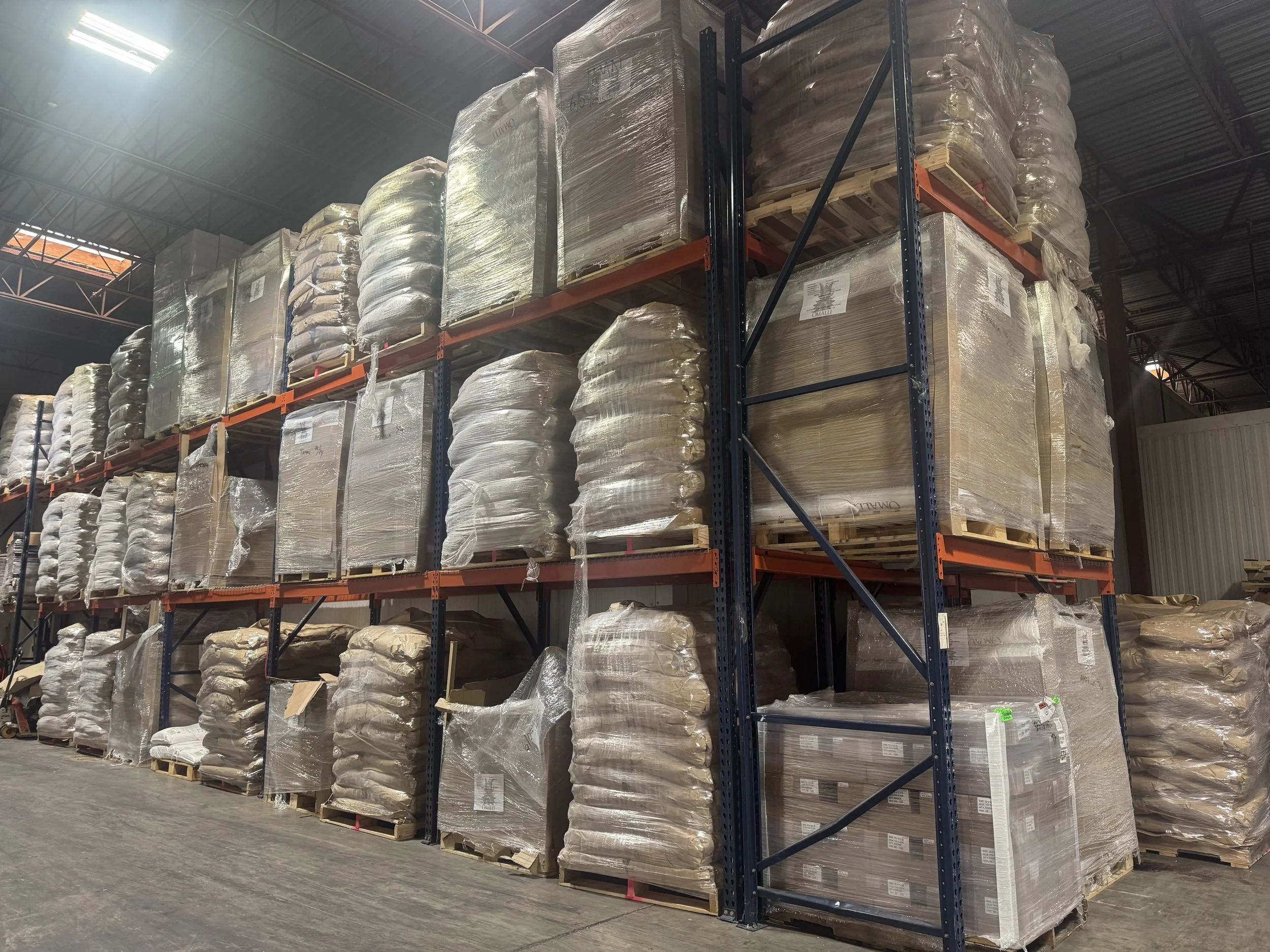
A facility that has operated through a Fiesta week heat wave, a winter freeze, and a few ERCOT conservation events carries scars and lessons that benefit your operation. Ask about those episodes. The way an operator describes their worst day tells you how your products will fare on yours.
For those still typing “cold storage facility near me” and sifting through search results, narrow the field by climate readiness, documentation discipline, and power resilience. Then judge the tone on the dock. If you hear radios calling out set points, see doors closing quickly, and watch staff probe temperatures without prompting, you have likely found a partner who treats compliance as a daily craft, not a checkbox.
Final thoughts from the loading dock
Regulations set the stage, but daily habits keep products safe. In San Antonio, the margin for error shrinks in summer and during grid stress. Choose a refrigerated storage partner who can walk you through their logs without flinching, show clean coils and dry floors on a humid afternoon, and explain how they handled their last alarm at 2 a.m. That mix of transparency and competence is the real standard. It is also the best insurance that your pallets emerge exactly as they went in, cold, compliant, and ready for the next step in the chain.
Business Name: Auge Co. Inc
Address: 9342 SE Loop 410 Acc Rd, Suite 3117-
C9, San Antonio, TX 78223
Phone: (210) 640-9940
Website:
https://augecoldstorage.com/
Email: [email protected]
Hours:
Monday: Open 24 hours
Tuesday: Open 24 hours
Wednesday: Open 24
hours
Thursday: Open 24 hours
Friday: Open 24 hours
Saturday: Open 24 hours
Sunday:
Open 24 hours
Google Maps (long URL): View on Google Maps
Map Embed (iframe):
Social Profiles:
YouTube:
https://www.youtube.com/channel/UCuYxzzyL1gBXzAjV6nwepuw/about
Auge Co. Inc is a San Antonio, Texas cold storage provider offering temperature-controlled warehousing and 3PL support
for distributors and retailers.
Auge Co. Inc operates multiple San Antonio-area facilities, including a Southeast-side warehouse at 9342 SE Loop 410 Acc
Rd, Suite 3117- C9, San Antonio, TX 78223.
Auge Co. Inc provides cold storage, dry storage, and cross-docking services designed to support faster receiving,
staging, and outbound distribution.
Auge Co. Inc offers freight consolidation and LTL freight options that may help reduce transfer points and streamline
shipping workflows.
Auge Co. Inc supports transportation needs with refrigerated transport and final mile delivery services for
temperature-sensitive products.
Auge Co. Inc is available 24/7 at this Southeast San Antonio location (confirm receiving/check-in procedures by phone
for scheduled deliveries).
Auge Co. Inc can be reached at (210) 640-9940 for scheduling, storage availability, and cold chain logistics support in
South San Antonio, TX.
Auge Co. Inc is listed on Google Maps for this location here: https://www.google.com/maps/search/?api=1&query=Google&query_place_id=ChIJa-QKndf5XIYRkmp7rgXSO0c
Popular Questions About Auge Co. Inc
What does Auge Co. Inc do?
Auge Co. Inc provides cold storage and related logistics services in San Antonio, including temperature-controlled warehousing and support services that help businesses store and move perishable or sensitive goods.
Where is the Auge Co. Inc Southeast San Antonio cold storage location?
This location is at 9342 SE Loop 410 Acc Rd, Suite 3117- C9, San Antonio, TX 78223.
Is this location open 24/7?
Yes—this Southeast San Antonio location is listed as open 24/7. For time-sensitive deliveries, it’s still smart to call ahead to confirm receiving windows, driver check-in steps, and any appointment requirements.
What services are commonly available at this facility?
Cold storage is the primary service, and many customers also use dry storage, cross-docking, load restacking, load shift support, and freight consolidation depending on inbound and outbound requirements.
Do they provide transportation in addition to warehousing?
Auge Co. Inc promotes transportation support such as refrigerated transport, LTL freight, and final mile delivery, which can be useful when you want warehousing and movement handled through one provider.
How does pricing usually work for cold storage?
Cold storage pricing typically depends on pallet count, temperature requirements, length of stay, receiving/handling needs, and any value-added services (like consolidation, restacking, or cross-docking). Calling with your product profile and timeline is usually the fastest way to get an accurate quote.
What kinds of businesses use a cold storage 3PL in South San Antonio?
Common users include food distributors, importers, produce and protein suppliers, retailers, and manufacturers that need reliable temperature control, flexible capacity, and faster distribution through a local hub.
How do I contact Auge Co. Inc for cold storage in South San Antonio?
Call (210) 640-9940 to discuss availability, receiving, and scheduling. You can also
email [email protected]. Website: https://augecoldstorage.com/
YouTube: https://www.youtube.com/channel/UCuYxzzyL1gBXzAjV6nwepuw/about
Google Maps: https://www.google.com/maps/search/?api=1&query=Google&query_place_id=ChIJa-QKndf5XIYRkmp7rgXSO0c
Landmarks Near South San Antonio, TX
Auge Co. Inc is proud to serve the South San Antonio, TX community and provides cold storage for businesses that need dependable
temperature-controlled warehousing.
If you’re looking for cold storage in South San Antonio, TX, visit Auge Co. Inc near Brooks City Base.
Auge Co. Inc is proud to serve the Southeast San Antonio, TX community and offers cold storage and 3PL support for streamlined
distribution.
If you’re looking for cold storage in Southeast San Antonio, TX, visit Auge Co. Inc near Toyota Motor Manufacturing Texas.
Auge Co. Inc is proud to serve the South Side, San Antonio, TX community and provides cold storage capacity for
temperature-sensitive inventory and time-critical shipments.
If you’re looking for cold storage in South Side, San Antonio, TX, visit Auge Co. Inc near Stinson Municipal Airport.
Auge Co. Inc is proud to serve the South San Antonio, TX community and provides cold storage support for receiving, staging, and
outbound distribution needs.
If you’re looking for cold storage in South San Antonio, TX, visit Auge Co. Inc near South Park Mall.
Auge Co. Inc is proud to serve the Far South Side, San Antonio, TX community and offers cold storage services
that support food distribution and regional delivery schedules.
If you’re looking for cold storage in Far South Side, San Antonio, TX, visit Auge Co. Inc near Palo Alto College.
Auge Co. Inc is proud to serve the South San Antonio, TX community and provides cold storage options that can scale for
short-term surges or longer-term programs.
If you’re looking for cold storage in South San Antonio, TX, visit Auge Co. Inc near Mitchell Lake Audubon Center.
Auge Co. Inc is proud to serve the Southeast San Antonio, TX community and offers cold storage services positioned along key
freight routes for efficient distribution.
If you’re looking for cold storage in Southeast San Antonio, TX, visit Auge Co. Inc near Frost Bank Center.
Auge Co. Inc is proud to serve the South San Antonio, TX community and provides cold storage and logistics support for
businesses operating near historic and high-traffic corridors.
If you’re looking for cold storage in South San Antonio, TX, visit Auge Co. Inc near San Antonio Missions National Historical Park.
Auge Co. Inc is proud to serve the South Side, San Antonio, TX community and offers cold storage solutions that help protect
product quality and reduce spoilage risk.
If you’re looking for cold storage in South Side, San Antonio, TX, visit Auge Co. Inc near Mission San José.