Temperature swings do more damage to products than most balance sheets show. A box of strawberries that warms by a few degrees during a transfer, a pallet of biologics that sits too long on a dock, a carton of chocolates that softens and resolidifies on a summer route, each example fine on paper yet compromised in reality. The costs hide in write-offs, credits, brand hits, and extra labor. Temperature-controlled storage changes that equation by shrinking variability, tightening dwell time, and aligning handling with product biology. The savings show up not only in reduced spoilage, but also in labor efficiency, energy use, transportation consolidation, and customer satisfaction.
I have spent years inside refrigerated storage facilities and cross dock operations, including projects in Texas heat where a 40-foot drive across the yard can undo an otherwise perfect cold chain. The companies that get this right think in degrees and minutes. They design flow to avoid idle time, watch return air temperatures rather than just ambient set points, and train teams to close doors quickly because the physics of heat load is unforgiving. The result is simpler: fewer surprises, fewer claims, fewer emergency reworks.
Where waste actually happens
Most waste in perishable supply chains traces back to micro-failures, not catastrophic breakdowns. On paper, the facility is a 34 degree F cooler or a minus 10 freezer. In practice, pallets spend 12 minutes at 85 F during a transfer, a truck arrives late and idles with the reefer cycled off, a worker stages cases by a dock door that leaks hot air. Each event seems trivial, yet quality is cumulative. Fresh-cut produce might lose an extra half day of shelf life from a single warm spike. Pharmaceuticals with controlled room temperature limits can fail a temperature excursion audit with one bad scan.
I have seen operations that were immaculate inside the cold storage warehouse, then casually staged outbound loads in ambient space because the dock was crowded. Returns spiked, not because the cooler failed, but because the workflow did. Fixing the path between storage, cross-docking, and final mile dispatch usually saves more product than upgrading compressors.
What temperature-controlled storage really does
Facilities built for temperature-controlled storage do more than chill the air. They create a buffer against time and weather so product moves within narrow thermal bands from receiving to delivery. The best operations layer three capabilities.
First, they match zones to product biology. A dairy cooler at 34 to 38 F, a produce room at 36 to 40 with higher humidity, a chocolate zone at 55 to 65 F, a pharma cage at 59 to 77 F with continuous monitoring, and a deep freezer for ice cream or proteins at minus 10 to minus 20. Not every business needs all of these, but getting the right zone matters more than adding square footage.
Second, they minimize thermal shock at transfers. Cross-docking in a temperature-controlled dock keeps surface temperatures stable. Dock seals, high-speed doors, and short travel lanes reduce heat infiltration. When cross-docking is done in an ambient dock next to a hot yard, you create a heat pump aimed at your product. A cross dock warehouse that treats the dock as a temperature-controlled zone removes that risk.
Third, they close the loop with transport. The best refrigerated storage programs pair with carriers and final mile delivery services that can maintain set points, validate with data loggers, and hand off quickly on arrival. A temperature-controlled storage San Antonio TX facility that partners with final mile delivery services San Antonio TX solves the last ten miles where Texas heat does its worst.
The cost model: how savings add up
Write-offs dominate the conversation, but direct spoilage is only part of the ledger. Temperature discipline trims costs in five other places that rarely get mapped in a single view.
Labor efficiency improves when product arrives in good condition and moves without rework. Re-stacking, re-casing, and QC holds burn hours and drag on morale. I worked with a retailer that shaved two full-time equivalents from their inbound shift after converting a high-volume category to a cold storage cross-dock model. The reason was simple, fewer problem loads, less triage.
Shrink at the customer level drops. A foodservice distributor that delivers lettuce a day fresher lowers the restaurant’s waste, which lowers credits and increases loyalty. Those benefits return as higher retention and smoother pricing conversations. There is a reason many operators don’t see the gain immediately, it lands in the customer’s P&L first, then comes back as a stickier relationship.
Energy costs stabilize when you stop fighting infiltration. A well-sealed, well-zoned cold storage warehouse uses less energy per pallet than a leaky cooler that cycles constantly. The cheapest BTU is the one you cold storage San Antonio TX never have to remove. Door discipline, dock blanket policies, and short staging reduce compressor run time. You may not notice in a single bill, but quarter over quarter it shows.
Inventory turns rise when you trust your shelf life. If your strawberries reliably carry four days after receiving instead of two to three, you can convert a portion of safety stock into throughput. Less working capital, fewer emergency purchases, better truck fill rates.
Insurance and compliance risk eases. With calibrated sensors, digital logs, and documented corrective actions, audits become routine rather than fire drills. One pharmaceutical customer reduced temperature excursion incidents by roughly 60 percent after moving to a monitored temperature-controlled storage program with tighter set-point alarms and trained escalation. Lower incident frequency often supports better insurance terms over time.
Cross-docking as a freshness multiplier
Cross-docking is not just a throughput strategy, it is a freshness strategy. By keeping product in motion and shortening dwell time, you starve the two enemies of quality: heat and time. In a hot climate, a cross dock warehouse San Antonio aligned with refrigerated staging can cut average dock dwell from an hour to 10 to 15 minutes. That shift directly translates into longer shelf life downstream.
I like to think of cross-docking as velocity control. You pull pallets from receiving, confirm counts and temps, then push them through a temperature-controlled dock directly into outbound lanes. Every minute saved at ambient temperature buys minutes of customer shelf life. The win compounds when you combine cross-docking with final mile delivery services that can hit retail windows early in the day, before heat loads build and traffic stalls trailers.
Not all cross dock setups deliver the same outcome. A cross dock near me that promises fast turns but runs on an open-air dock in July will lose to a slower operation that stages in a cold dock. The physics favor the second every time. If you are evaluating a cross dock warehouse near me for perishables, ask to see where the product physically sits between inbound and outbound and how temperatures are monitored during staging.
Why “near me” matters more than it used to
The search for cold storage near me or a cold storage warehouse near me reflects a real operational truth. Proximity lowers risk. Shorter transfer distances reduce time at ambient. Local staff know local weather patterns. Service levels improve when you can call a supervisor who can walk the dock in ten minutes. In a market like South Texas, the delta between a site 30 miles away and one across town can be the difference between steady product and recurring excursions.
For companies shipping into the region, a cold storage San Antonio TX facility offers a practical hub. San Antonio sits on corridors that feed Austin, the Rio Grande Valley, and West Texas. Cross-docking there can consolidate loads efficiently, then feed final mile delivery services San Antonio TX to hit dense urban stops and longer rural arcs with proper temp control. You avoid long ambient waits at congested urban docks by staging in a controlled environment and dispatching in tight waves.
Monitoring, data, and the difference between numbers and knowledge
Throwing sensors at a problem rarely fixes it. What matters is what you measure, how you respond, and whether the data shapes operations. The minimum standard today is continuous temperature monitoring with alerts inside each zone and at critical doors. But I have seen operations that watch the wrong metrics. They check ambient air near the thermostat rather than return air and product surface temps. They pull reports weekly instead of acting in the moment.

The practical approach pairs three data streams. First, facility telemetry at the return air of each evaporator, which gives a truer sense of load. Second, mobile data loggers on representative pallets or totes, especially for high-risk SKUs. Third, driver-side telematics that confirm reefer set points and door openings during transit. If a spike occurs, you want the system to alert a floor lead with authority to hold and investigate. The fastest save is the cheapest save.
When a site moves from paper logs to digital alerts, it needs a response protocol. Who gets the ping at 2 a.m., how do they triage, what do they document, and when does product get quarantined or released? Clear standards prevent overreaction and underreaction. One operation I worked with cut nuisance alarms by half by adjusting thresholds to product requirements rather than a flat setting, which kept teams focused on true risks.
Packaging, airflow, and the hidden variables
Facilities often blame equipment for failures that start with packaging and palletization. Air needs to move around and through the load. Full shrink-wrapping with no vents traps heat. Overhanging cases disrupt return air and create warm zones. Even pallet height matters, too tall and your top layer rides warmer on every transfer.
Simple changes make measurable differences. Ventilated stretch film for produce, corner boards that maintain column strength without choking airflow, pallet patterns that line up vent holes, and slip sheets that allow better circulation all help. On the dock, fans do not replace proper refrigeration, but they do reduce stratification in a staging area. The goal is consistent temperatures across the load, not just a cold room reading.
People, training, and door discipline
A facility can have perfect engineering and still leak money through behavior. Door time is the biggest driver of thermal gain at docks. Every hold-open minute invites heat and moisture, which later condenses and forms ice, which then slows operations and increases accidents. The best teams treat doors like valves: open with purpose, close immediately. High-speed doors and automatic closers help, but culture does more.
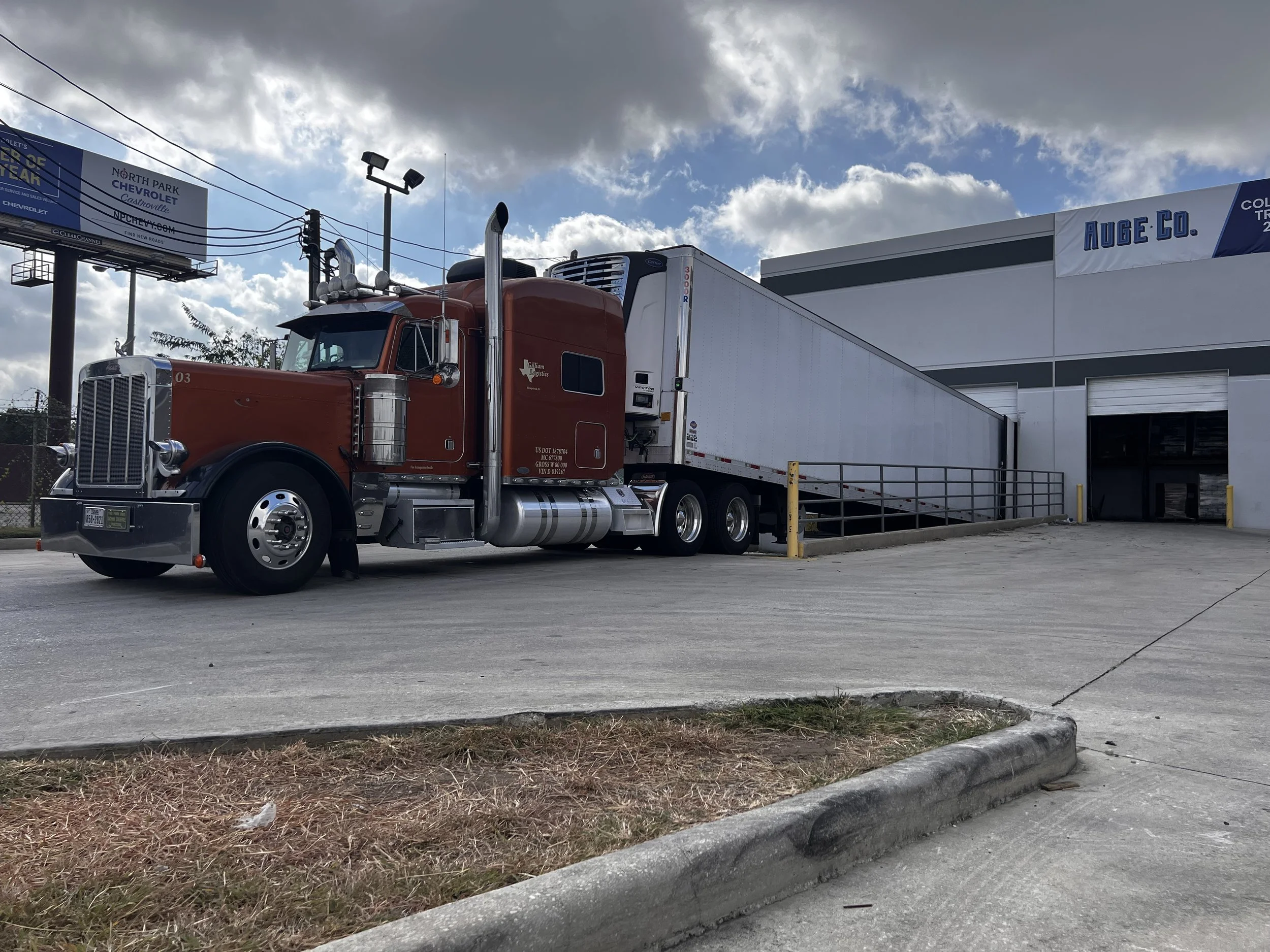

Training shifts from rules to reasons. When crews understand that a 45 second door hold adds measurable compressor runtime and risks a temperature alarm on a high-value pallet, they move differently. Recognition programs for zero-excursion weeks, clear signage with target times, and clean layouts that minimize maneuvers all support the habit.
Energy, equipment, and maintenance that actually pays back
Preventive maintenance wins here. Evaporators with matted fins, loose door seals, and miscalibrated probes quietly rob capacity and create warm corners. A monthly PM on gaskets and door closers, quarterly coil cleanings, and annual calibration of sensors cost less than a single product write-off in many categories. Keep spare parts on hand for high-wear items like strip curtains and latch hardware so you can fix issues same day.
Variable frequency drives on evaporator fans can reduce energy when loads are light, and defrost strategies that match usage patterns prevent ice build-up without over-defrosting. LED lighting cuts heat load, small change, powerful compound effect. Measure results by energy per pallet moved rather than just kilowatt hours, it will force honest benchmarking that accounts for throughput.
Choosing the right partner and location
If you are searching for refrigerated storage or temperature-controlled storage near major Texas corridors, proximity is only one factor. Reliability, monitoring, and responsive operations matter more than a slick brochure. Look for operators who will walk the dock with you, open live data, and talk through failure scenarios candidly. A cold storage facilities San Antonio provider that handles both refrigerated storage and cross-docking under one roof simplifies handoffs. If they also operate a cross dock warehouse San Antonio with final mile delivery integration, even better, fewer touches and clearer accountability.
Ask for references from accounts with similar temperature profiles and dwell time needs. Review a sample of temperature logs across a full summer week, not just a day. Stand on the dock at 3 p.m. when heat peaks and watch how doors move and freight flows. If you hear the phrase “we can hold it on the dock for a few hours,” keep looking.
Case vignette: saving lettuce in August
A regional grocer struggled each summer with romaine arriving tired and browning early. The inbound trip was fine, but the chain broke during transfer to stores. Loads arrived at a conventional dock, sat for 40 to 60 minutes while teams staged mixed pallets, then rode to stores in small box trucks with inconsistent temperature control.
They shifted to a temperature-controlled cross dock San Antonio TX operation. The dock ran at 38 F, inbound reefers backed to sealed doors, and cases moved on powered conveyors to store-specific build lanes. Dwell time fell under 15 minutes. Final mile trucks pre-cooled to set point and departed in time slots to avoid mid-afternoon heat. The result over six weeks, about 35 percent fewer credits on leafy greens, and store-level trims dropped by roughly 20 percent. Labor on the store side eased because heads arrived crisper, which sped prep and reduced culling.
The investments were modest. Dock seals, extra conveyor sections, a dispatch schedule tuned to traffic, and a light retraining on door etiquette. The biggest change was mindset, treat the dock as part of the cold chain, not a pass-through.
When ambient storage still makes sense
Not every product warrants cold or chilled storage. Some SKUs prefer a steady 60 to 70 F, some are indifferent. Shelving paper goods in a refrigerated room wastes money and space. Chocolate is a classic edge case, it dislikes heat but also hates humidity swings and refrigerator odors. A controlled room at 60 to 65 F with dehumidification works better than a cold cooler. Wine and certain chemicals need stability more than low temperatures. The point is to match storage to product physics, not to a blanket policy.
Cost trade-offs appear when velocity is low. If a product moves once a month, the energy and handling costs of chilled storage may outrun the spoilage risk, especially in cooler seasons. In those cases, consider seasonal strategies, ambient in winter, controlled in summer. But if the cost of a single failure is high, think pharmaceuticals or rare ingredients, control year-round and sleep well.
Integrating final mile without breaking the chain
The last ten miles are messy. Traffic, parking constraints, tight delivery windows, and a mix of dock and curbside deliveries create variance. This is where temperature control can fray. The remedy is coordination. Align dispatch so trucks load at set point, pre-stage routes in cold zones, and maintain updated ETAs to avoid idling outside in heat. Data loggers provide accountability without drama. If a store claims a warm delivery, you review the route temperatures and address it quickly.
In markets like South Texas, final mile delivery services that understand heat dynamics matter. Short stops, quick roll-doors, thermal blankets for frequent-open routes, and drivers trained to shut reefer units off only when required by statute or safety, then back on immediately. A provider offering final mile delivery services San Antonio TX from a shared cold storage warehouse trims touches and confusion. One chain of command, one data stream.
How to pilot a program without overcommitting
You can test the thesis without betting the farm. Pick a high-risk category with solid margins and measurable waste, such as berries, leafy greens, ice cream, or temperature-sensitive pharmaceuticals. Move that category through a temperature-controlled storage and cross-dock workflow for 8 to 12 weeks across the warmest part of the year. Track four metrics: inbound to outbound dwell time, temperature variance during staging, credits and write-offs, and delivery punctuality.
Split routes if needed, some through the new flow, some through the old, and compare. Be transparent with partners and stores so anomalies get reported cleanly. In most pilots I have seen, the numbers tell a simple story in the first month. Less waste, steadier quality, smoother mornings on the sales floor, rarely any increase in transport cost because reduced rework offsets tighter dispatch.
Local notes for San Antonio operations
San Antonio summers punish sloppy processes. Afternoon peaks run hot, humidity swings up after storms, and yards radiate heat well into the evening. If you are considering cold storage facilities San Antonio, pay attention to site design. Short door-to-door distances, covered yard where possible, and asphalt with lighter surface coatings that reflect more heat make a real difference. Inside, prioritize dehumidification in dock zones to keep frost manageable and floor surfaces safe.
Routing across the metro benefits from early waves into downtown and medical districts before traffic and heat converge, then a second wave to outer loops. If you need a cross dock warehouse San Antonio that also supports export or southbound flows, confirm their USDA and FDA capabilities, and how they handle bilingual labeling or CFIA if you are going north. Often the best value comes from a single operator that handles refrigerated storage San Antonio TX, a cross dock San Antonio TX operation, and a network that reaches the Hill Country and the Valley without hand-offs.
The quiet advantage of consistency
Customers rarely notice when everything goes right. They notice when strawberries bruise early, when ice cream feels soft at pickup, when a vaccine shipment triggers a temperature excursion review. Temperature-controlled storage keeps the experience consistent. It is not glamorous work, but it is the work that preserves brand trust. The math is steady. Fewer degrees of variance and fewer minutes of exposure translate into fewer dollars of waste.
If you are evaluating next steps, start with a map of your product flows and a frank accounting of where time and heat creep in. Walk your dock during peak heat, ride a truck on a long route, and pull a week of temperature logs. Whether you partner with a cold storage warehouse or retrofit your own space, the gains come from closing little gaps. Do that, and cost reductions follow quality improvements, not the other way around.
Auge Co. Inc. 9342 SE Loop 410 Acc Rd Suite 3117, San Antonio, TX 78223 (210) 640-9940 8HCC+G4 San Antonio, Texas