Cross docking looks simple from a distance. Trailers pull in full, leave nearly empty, and somewhere between the bumpers freight switches hands without lingering. The reality sits in the yard. If the yard is well managed, cross docking thrives. If the yard is chaotic, no software or labor plan can bail you out. San Antonio has grown into a true logistics hub for South Texas and the border, and that growth shows up in the yard first: more dray carriers from Laredo, more parcel trailers in the afternoon rush, more seasonal peaks that hit without much warning. A cross dock facility in San Antonio TX that nails yard management can move freight faster, cut detention, and make drivers want to come back.
This guide focuses on yard practices that matter inside a cross dock facility, with examples drawn from real operations and common constraints in the region. It applies whether you run a large cross dock warehouse with 100 doors on the northeast side or a smaller cross dock facility near the airport supporting expedited and e-commerce replenishment. It also speaks to shippers who use cross docking services and want to understand what to ask when vetting a provider in San Antonio.
Why the yard carries the day in cross docking
Cross docking compresses time. The inbound unload, sort, and outbound reload happens in hours, sometimes minutes. The yard is the buffer that keeps that timeline from slipping. When the right trailers hit the right doors in the right sequence, inside teams move quickly. When a live unload arrives early without a door plan, or a critical outbound is blocked by a reefer needing fuel, inside flow stalls. The yard becomes either the cheapest place to fix problems or the costliest place to create them.
In San Antonio, the mix of freight makes this sharper. You see imports from Mexico moving northbound with tight cross-dock windows, parcel hub linehauls feeding late-night sort waves, grocery and beverage with temperature control, and regional LTL building optimized routes. The best cross docking services in San Antonio use the yard actively to orchestrate all of it. The difference shows up in dwell times, claims rates, and whether drivers call ahead to request your site because they know it runs on time.
Map the yard to the flow, not the other way around
Most cross dock yards start as rectangles with painted lines and a fence. Good operations reshape that space into functional zones tied to how freight moves. That means taking a pencil to the map and marking dwell areas, quick-turn staging, live unload queueing, outbound lineup, drop trailer storage, and flex parking for surges. Keep the physical flow short and straight. Turning a 53-foot trailer around parked tractors costs minutes and adds risk.
I worked with a cross dock facility San Antonio TX side that reduced average door-to-exit time by 14 minutes by moving the outbound lineup closer to the main gate and creating a merge point with a spotter-controlled yield. No new software, just one less counterflow move. For cross dock facilities handling both live and drop freight, separate the streams. Live trucks should see an obvious path: gate, check-in, short queue, door, check-out. Drop trailers go to a designated island where spotters can pull them without cutting across live lanes.
Marking zones clearly matters more than fresh stripes. At a cross dock warehouse near me a few years ago, we mounted reflective markers on cones and chained them at knee height to keep drivers out of pedestrian lanes during night operations. The cones moved as the season shifted, so the yard stayed flexible without confusing drivers. Small change, fewer close calls.
The gate is not just a gate, it is your first control point
Every minute a driver spends at the gate is fuel and goodwill burning. At the same time, a sloppy gate turns the yard into a parking lot without rules. The balance sits in fast, accurate data capture tied to a clear playbook.
Driver-facing clarity starts at the approach. A big, readable sign that says truck entrance, plus posted instructions for check-in, saves radio chatter. If your facility handles cross docking services near me with bilingual traffic, post both English and Spanish. Printed lane numbers with arrows cut down on last-minute swerves.
Digitally, a basic yard management system runs circles around clipboards. Even if you do not buy full-blown YMS, standardize the gate data: trailer number, carrier SCAC, appointment or reference number, load type (live or drop), hazmat flag, temperature control flag, seal verification, and expected door. The gate should know what is coming, not discover it when the doors swing open. Carriers appreciate when a cross dock warehouse sends an arrival text with an ETA link and gate instructions. Many will opt in if you ask during tender.
When resources are tight, pick one or two gate metrics to manage ruthlessly: average check-in time and percent of arrivals with door assignment at check-in. If those two numbers are healthy, yard flow usually follows.
Live, drop, and the dance between them
Cross docks thrive on predictability. Drops give you that. Live loads give you flexibility. You need both. The trick is to set rules that keep them from tripping over each other. Reserve a portion of doors for live turns at all times, even during peaks. Run a rotation board for live moves, not ad hoc calls on the radio. If a driver sees active progress on a board, they are less likely to start a noise complaint in the cab.
For drops, create slotting rules the spotter can follow in the dark. Maybe it is as simple as odd rows for inbound empties, even rows for outbound loads, and the first ten spaces nearest the building for hot freight. Fewer exceptions produce fewer mistakes. San Antonio heat also changes the calculus. In summer, leaving reefers idling on the far end of the lot is not just fuel waste, it risks temperature excursions during power flickers. Bring temperature-controlled freight closer to the building and verify fuel levels at the gate. When a reefer fails, you want a short tow to a plug-in point.
Edge cases matter here. If your cross dock warehouse San Antonio TX side handles hazmat, dedicate a staging row with proper stand-off, spill kits, and signage. Train your spotters on the difference between UN classes that require segregation. The ten minutes you spend parking hazmat correctly saves hours if something goes wrong.
Spotter playbooks beat heroics
A good yard dog operator can make a bad day survivable. Relying on one hero is not a plan. Write playbooks that break the job into three cycles: pre-shift yard scan, peak move cadence, and changeover tasks.
In the pre-shift scan, the spotter verifies trailer counts by zone, checks for blocked fire lanes, looks for light outages, and confirms priority moves with the shift lead. During peak cadence, they pull from a live queue that is already sorted by priority, time-in-yard, and downstream impact. Near shift change, the spotter stages the first three moves for the next shift and clears the lanes on the most used routes.
We learned the hard way that staging two extra empties by the high-volume outbound doors before parcel waves saves fifteen minutes of scramble. Another lesson, keep a spare gladhand lock and a handful of chocks on the spotter truck. You will need them at the worst possible moment.
Door assignment is a routing problem with people in it
Assigning doors in a cross dock facility looks like Tetris, except the blocks arrive at unpredictable times and sometimes the shapes lie on the schedule. If you run a small set of recurring lanes, you can pre-block door clusters for specific outbound routes. This cuts internal pallet travel and reduces human error. Pair door assignments with product family rules. For example, consolidate heavy or floor-loaded imports on lower-traffic doors that connect to wider aisles and mechanical aids. Put small parcel and high-velocity SKUs next to each other to shorten handoffs.
A cross dock warehouse near me improved throughput by clustering doors by customer rather than inbound vs outbound. They mapped their top twenty customers to door banks and swapped assignments by half-day. The forklift drivers stopped zigzagging and started running loops. Over a two-week period their rate per labor hour ticked up 8 to 10 percent without adding bodies.
San Antonio’s mix of border traffic brings a twist. You might receive inbound from Laredo with compliance seals and CTPAT requirements. Build a path that honors seal checks at the door, not at random points in the aisle. If customs compliance forces a particular sequence, reflect that in the door plan so people are not improvising under pressure.
Yard safety that does not slow you down
Safety and speed often get framed as a trade-off. The better framing is this: remove uncertainty, and you get both. Pedestrian zones should be visible from a moving tractor, not just pretty on a map. High-reflective tape on bollards, motion-sensing lights on blind corners, and rumble strips at crosswalks do more than slogans.
In hot months, heat stress changes behavior. A tired spotter cuts corners on three-point checks and mirror scans. Schedule short water breaks, add a shade canopy at the live queue, and rotate spotter shifts on the hottest afternoons. The cost is pennies compared to one incident. For rain events, stock grit and squeegees near the most used doors. Slick ramps and forklift tires are a bad mix.
Hostile vehicle mitigation can apply to yards too. If your facility abuts a public road with a shallow apron, place concrete barriers to prevent accidental incursions. It is not just theft prevention, it keeps confused passenger cars from wandering into a queue line, which happens more often than Auge Co. Inc. cross docking services you would think near mixed-use industrial parks on the city’s edges.
Detention and dwell, the two numbers that tell the truth
Ask any carrier for their favorite cross docking services San Antonio list and you will hear the same reasons: fast turns and consistent gate-to-gate times. You cannot manage what you do not measure, so track detention and dwell visibly. Dwell lives both inside and outside. Yard dwell is the trailer clock, from arrival to departure. Dock dwell is the load clock, from door assignment to release. Post weekly numbers where supervisors and drivers can see them.
In one cross dock warehouse, simply adding a whiteboard with yesterday’s average dwell by shift changed behavior. The night shift liked beating the day shift’s number. Healthy competition is cheaper than overtime. For detention, analyze the worst offenders by lane and by appointment window. If a lane consistently arrives during your internal shift huddle, move your huddle. If a broker sends trucks with poor references, ask for better pre-alerts or shift them to drop service.
Technology that actually helps, sized to your operation
There is plenty of software that promises to run your yard for you. In practice, the right stack depends on size and complexity. For many cross dock warehouses, a lightweight yard management module tied to your WMS covers the basics: gate check-in, trailer tracking, move tasks, and dwell reporting. Add handhelds or tablets for spotters so moves flow from queue to cab without radio chatter. Geo-fenced driver check-in apps work well at sites with chronic gate congestion. Drivers can announce arrival from the shoulder before pulling in, which lets you assign doors ahead of the curve.
Cameras and RFID can help, but only if someone acts on the data. A simple fixed camera on the inbound queue with a monitor at the supervisor desk lets them spot a line forming before the radio starts buzzing. QR codes on trailer placards allow fast scans for lot location and status. Think incremental. Pilot with one yard truck and two door banks for a month, measure, then expand.
Staffing the yard for San Antonio’s rhythm
Labor markets change by neighborhood and season. San Antonio summers are hot, holidays are peak, and construction booms pull CDL drivers away at higher wages. Plan staffing in bands, not in single numbers. Keep a trained bench of cross-trained associates who can step into the spotter role when the regular driver calls out. Cross training is not optional. A night supervisor should be able to move a trailer safely if the yard truck is delayed.
Pay structure nudges behavior. Spotters paid hourly with a small kicker tied to move accuracy and on-time dock completion tend to pace steadily and avoid sloppy hooks. Retention hinges on respect as much as pay. A clean break area, cold water, and recognition for clean audits go further than most operators expect. People who work the yard see everything first. Ask them weekly what is getting in their way.
Seasonal and event playbooks
San Antonio has its own calendar. Fiesta, back-to-school, holiday rush, and the occasional storm that shuts down I-35. Build event playbooks that blend communications, parking plans, and gate changes. During Fiesta season, some consumer goods surge to feed retail displays. That means earlier inbound starts, larger parcel pickups, and tighter outbound lanes. Pre-stage outbound trailers by route the night before, and extend gate hours to flatten the peak.

For storms, have a water management plan. Mark low spots that pool and avoid placing loaded trailers there. Keep extra chocks and chains handy. If lightning forces a temporary stop on yard moves, the playbook should say who calls the pause and who restarts operations. Ambiguity burns more time than the pause itself.
Practical checklist for a tighter yard
Use this short list as a weekly tune-up. It catches the small cracks before they widen.
- Are gate check-ins under five minutes on average, and are at least 80 percent of arrivals assigned a door at check-in? Do live, drop, and hazmat trailers have clearly designated, enforced zones with space to maneuver? Can spotters pull their next three moves from a tablet queue without a radio call? Do yard dwell and dock dwell post in a place drivers and supervisors both see, updated daily? Are safety controls visible and simple: reflective markers, motion lights, rumble strips, and hydration stations during heat?
Working with carriers and brokers, not against them
Carriers remember yards that break their clocks. They also remember yards that move them fast. Build trust with small habits. Share dock hours and cut-offs honestly. If you routinely run over by ten minutes, tell them the truth and they will plan for it. Provide a line-of-sight promise. For example, text updates when a trailer gets a door, when unloading starts, and when it is released. Many off-the-shelf tools do this, but a simple SMS workflow using dispatch numbers is fine.
Brokers appreciate predictability. If your cross docking services need appointment windows, guard them tight but offer standby options. A standby lane with a posted average wait time keeps frustrated drivers from clogging the gate. When you cannot meet the window, escalate early and own the fix. Pushouts happen. How you handle them decides whether that carrier calls you next time.
Layout, lighting, and little things that pay back
A well-run cross dock facility San Antonio TX side often wins on details. Lighting is cheap compared to injury claims. LED floods above door aprons reduce damage and speed inspections. Paint is a maintenance item, not a one-time project. Re-stripe quarterly during high-turnover periods so new drivers can follow lanes without asking.
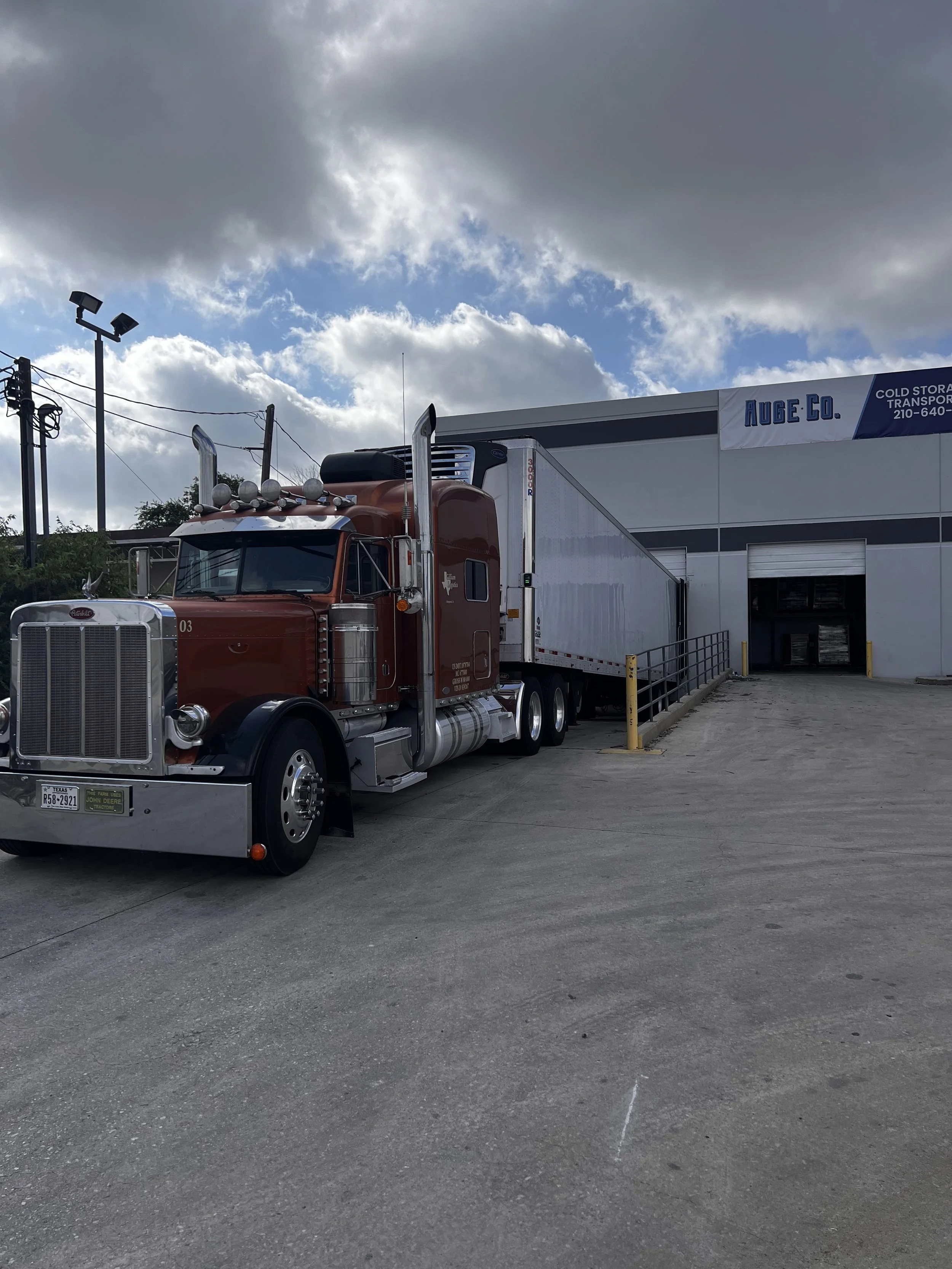
Keep tools at the edge. Air lines, tire repair kits, spill kits, and brooms mounted near the most used doors save dozens of micro-trips. A magnet roller for picking up nails in drop zones is worth every penny after the first flat it prevents. Mount yard maps and emergency contacts at the gate, the break room, and the supervisor office. When something goes sideways, no one should dig through a binder.
Temperature control, product integrity, and claims prevention
Cross docking cool and frozen freight in South Texas demands tight choreography. Require gate seal checks and photograph seals at break. Log reefer fuel levels and set point on arrival. If the load waits more than an hour, spot close to electrical outlets or shore power, and verify that units are running. Train dock staff to minimize door-open time on reefer trailers with a simple rule: pull product to the threshold and shut the doors during paperwork.
Claims often tie back to yard exposure. Heat, cold snaps, and long queues can swing product temperatures out of tolerance. If your cross docking services include food and beverage, add a temperature audit step at release for high-risk SKUs. A quick infrared scan takes seconds and pays off when a receiver questions a temperature on arrival.
Measuring what matters and acting on it
Data should inform, not overwhelm. A cross dock warehouse thrives on a handful of yard KPIs:
- Gate-to-door time, door-to-release time, and total dwell by trailer type. Trailer moves per hour per spotter, with accuracy rate. Door utilization by hour, tied to lane or customer cluster. Detention incidence by carrier and lane. Safety leading indicators like near misses in yard zones and heat-related interventions.
Review these in a weekly standup with operations and yard teams. When a number moves, ask people closest to the work why. Fix the process, not the person. Many improvements are tactical: adjust a staging row, alter a shift overlap, add a cone line to direct traffic during the parcel wave. Success shows up in quieter radios and calmer gates.
Choosing or becoming the right partner in San Antonio
If you are evaluating a cross dock warehouse San Antonio TX or searching for a cross dock warehouse near me, walk the yard before you tour the inside. You will learn more in five minutes near the gate than in an hour of slides. Look for organized zones, spotter discipline, and real-time boards showing arrivals and door assignments. Ask about dwell and detention, not just throughput. If a provider offers cross docking services San Antonio wide but cannot walk you through their yard plan for peak season, pause.
If you operate the facility, make the yard part of your brand. Drivers talk. Carriers rank facilities informally based on how it feels to deliver there. Clean, fast, respectful yards pull capacity when the market tightens. Over time that advantage becomes a flywheel. Better yard management reduces detention and damage, which attracts better carriers, which improves punctuality and service, which lets you plan tighter and run leaner.
The yard as your competitive edge
Cross docking rewards discipline. The best-run cross dock facilities do not rely on hero moves or lucky timing. They map the yard to the flow, equip the gate with information, choreograph live and drop activity, and give spotters a clear queue. They light the corners, measure dwell, and tune the plan for heat, storms, and citywide events. They invest in small tools and habits that remove friction. In San Antonio, where freight streams from the border, the ports, and the growing consumer base, that discipline pays back daily.
A final nudge for leaders: spend an hour a week outside. Watch three trucks from gate to exit. Ask the spotter what slowed them down. Fix one thing you can touch with your hands before the next shift. Yard management is a craft, and crafts improve under steady hands. Whether you run a single cross dock facility or a network of cross dock warehouses, those small, steady changes turn a patch of pavement into a reliable engine for your business.
Business Name: Auge Co. Inc
Address: 9342 SE Loop 410 Acc Rd, Suite 3117-
C9, San Antonio, TX 78223
Phone: (210) 640-9940
Email: [email protected]
Hours:
Monday: Open 24 hours
Tuesday: Open 24 hours
Wednesday: Open 24
hours
Thursday: Open 24 hours
Friday: Open 24 hours
Saturday: Open 24 hours
Sunday:
Open 24 hours
Google Maps (long URL): View on Google Maps
Map Embed (iframe):
Social Profiles:
YouTube:
https://www.youtube.com/channel/UCuYxzzyL1gBXzAjV6nwepuw/about
Auge Co. Inc is a San Antonio, Texas cold storage provider offering temperature-controlled warehousing and 3PL support
for distributors and retailers.
Auge Co. Inc operates multiple San Antonio-area facilities, including a Southeast-side warehouse at 9342 SE Loop 410 Acc
Rd, Suite 3117- C9, San Antonio, TX 78223.
Auge Co. Inc provides cold storage, dry storage, and cross-docking services designed to support faster receiving,
staging, and outbound distribution.
Auge Co. Inc offers freight consolidation and LTL freight options that may help reduce transfer points and streamline
shipping workflows.
Auge Co. Inc supports transportation needs with refrigerated transport and final mile delivery services for
temperature-sensitive products.
Auge Co. Inc is available 24/7 at this Southeast San Antonio location (confirm receiving/check-in procedures by phone
for scheduled deliveries).
Auge Co. Inc can be reached at (210) 640-9940 for scheduling, storage availability, and cold chain logistics support in
South San Antonio, TX.
Auge Co. Inc is listed on Google Maps for this location here: https://www.google.com/maps/search/?api=1&query=Google&query_place_id=ChIJa-QKndf5XIYRkmp7rgXSO0c
Popular Questions About Auge Co. Inc
What does Auge Co. Inc do?
Auge Co. Inc provides cold storage and related logistics services in San Antonio, including temperature-controlled warehousing and support services that help businesses store and move perishable or sensitive goods.
Where is the Auge Co. Inc Southeast San Antonio cold storage location?
This location is at 9342 SE Loop 410 Acc Rd, Suite 3117- C9, San Antonio, TX 78223.
Is this location open 24/7?
Yes—this Southeast San Antonio location is listed as open 24/7. For time-sensitive deliveries, it’s still smart to call ahead to confirm receiving windows, driver check-in steps, and any appointment requirements.
What services are commonly available at this facility?
Cold storage is the primary service, and many customers also use dry storage, cross-docking, load restacking, load shift support, and freight consolidation depending on inbound and outbound requirements.
Do they provide transportation in addition to warehousing?
Auge Co. Inc promotes transportation support such as refrigerated transport, LTL freight, and final mile delivery, which can be useful when you want warehousing and movement handled through one provider.
How does pricing usually work for cold storage?
Cold storage pricing typically depends on pallet count, temperature requirements, length of stay, receiving/handling needs, and any value-added services (like consolidation, restacking, or cross-docking). Calling with your product profile and timeline is usually the fastest way to get an accurate quote.
What kinds of businesses use a cold storage 3PL in South San Antonio?
Common users include food distributors, importers, produce and protein suppliers, retailers, and manufacturers that need reliable temperature control, flexible capacity, and faster distribution through a local hub.
How do I contact Auge Co. Inc for cold storage in South San Antonio?
Call (210) 640-9940 to discuss availability, receiving, and scheduling. You can also
email [email protected]. Website: https://augecoldstorage.com/
YouTube: https://www.youtube.com/channel/UCuYxzzyL1gBXzAjV6nwepuw/about
Google Maps: https://www.google.com/maps/search/?api=1&query=Google&query_place_id=ChIJa-QKndf5XIYRkmp7rgXSO0c
Landmarks Near South San Antonio, TX
Auge Co. Inc is proud to serve the Far South Side, San Antonio, TX region with cross dock warehouse solutions with 3PL support for streamlined distribution.
Searching for a cold storage facility in Far South Side, San Antonio, TX, visit Auge Co. Inc near Palo Alto College.