San Antonio is a logistics city with a food identity. Between the I‑35 and I‑10 corridors, cross‑border traffic from Laredo, and a restaurant scene that runs from mom‑and‑pop taquerias to national chains, demand for reliable cold storage never lets up. If you are planning, expanding, or auditing a cold storage facility in San Antonio TX, local regulations layer on top of state and federal rules. Skipping a step can cost time, money, and customers. Getting it right creates an operation that inspectors trust and clients rely on.
What follows is the framework I walk clients through when we site, build, and operate refrigerated storage in Bexar County. It is grounded in practical experience: plan reviewers in Development Services who care about egress diagrams, health sanitarians who will measure your air curtain velocity, and utilities that want proof your electrical service and backflow assemblies meet code. The devil is in the paperwork and the details inside the box.
Mapping the regulatory stack
Cold storage touches food safety, building safety, worker safety, and environmental protection. The rules show up from several directions.
At the federal level, FDA’s Current Good Manufacturing Practice, Hazard Analysis, and Risk‑Based Preventive Controls for Human Food (21 CFR Part 117) applies if you hold or distribute human food that is not just passively stored. If your facility only stores packaged, non‑time/temperature control for safety foods, the obligations are lighter than for raw proteins or fresh produce. USDA Food Safety and Inspection Service owns meat, poultry, and certain egg products. If you handle those commodities for import, export, or under federal inspection, you will need a grant of inspection, a HACCP plan, and a designated inspection area. OSHA sets worker safety requirements. EPA governs refrigerants and stormwater.
Texas overlays the Texas Food Establishment Rules (TFER, 25 TAC 228) for food holding and distribution, and the Texas Department of State Health Services may license wholesalers, depending on product. The Texas Department of Licensing and Regulation governs industrialized buildings and some trades. The Texas Commission on Environmental Quality (TCEQ) touches stormwater permits and backflow.
San Antonio and Bexar County add the practical gates. The City of San Antonio adopts versions of the International Building Code, Mechanical Code, Fire Code, and Energy Conservation Code with local amendments. The San Antonio Metropolitan Health District (Metro Health) permits and inspects food operations, including cold storage used for wholesale distribution if food is exposed or repacked. The San Antonio Water System (SAWS) oversees backflow prevention. CPS Energy and your chosen mechanical contractor must coordinate service capacity and equipment submittals. If you are outside city limits but in the ETJ, Bexar County handles some plan review and floodplain questions.
Understanding where your facility falls in that stack dictates the permits you need, the plans you draw, and the procedures your team will follow.
Site selection, zoning, and the first city conversations
Before a lease or land purchase, confirm that the site’s zoning allows warehousing and industrial refrigeration. In San Antonio’s Unified Development Code, cold storage typically fits under light industrial or warehousing. If you expect high trailer traffic or 24‑hour operations, pay attention to buffer requirements against residential uses and any conditional use constraints. Truck court orientation matters if nearby neighbors are sensitive to noise.
The city’s Development Services Department runs a Preliminary Plan Review process. This is a short meeting where you bring a conceptual site plan, basic building program, and questions. I advise clients to arrive with a one‑page summary that lists square footage, intended temperature zones, whether food is exposed or packaged, any processing or repack, and the planned refrigerant type. Expect questions about hazardous materials thresholds for refrigerants, egress, and fire suppression. Early alignment saves months.
If you convert an existing dry warehouse into a cold storage facility in San Antonio TX, factor in structural load and vapor drive. Existing slabs without vapor barriers and thermal breaks will sweat, heave, or crack if you drop interior temperatures. The city will expect stamped engineering that addresses insulation, frost protection, and slab performance. It is not just a design preference, it is a building safety issue tied to slip hazards and structural integrity.
Building code, fire code, and the refrigerated box
The International Building Code and Mechanical Code, as adopted locally, drive most technical decisions.
Egress and envelope. Even if your cold rooms are pre‑engineered panels, they become rooms in the eyes of code. You must provide code‑compliant exit routes, panic hardware, emergency lighting, and illuminated exit signs. Door latches on walk‑ins need to open from the inside, and most inspectors ask to see proof of inside release during the final. Heated door frames and sweeps help prevent ice buildup that can obstruct egress. The city will review energy code compliance for the insulated envelope and doors.
Fire suppression. Sprinklers belong in coolers and freezers unless you have a clear code path that exempts them, which is rare. The design has to deal with cold temperatures. That usually means dry systems or preaction systems with air supervision, sloped branch lines, and low‑temperature rated heads. Insulation around risers and valves is not cosmetic. In San Antonio summers, you also have to manage condensation on penetrations where a cold system meets a hot mechanical room. A few years back, one project failed a hydrostatic test twice because condensation masked a slow drip at a union. We insulated and heat‑traced the assembly and the problem disappeared.
Refrigerants and machinery rooms. Local amendments reference IIAR standards and ASHRAE 15. If your refrigerant charge exceeds certain thresholds, you will need a machinery room with ventilation, gas detection, emergency purge, and pressure relief venting to the outdoors. Ammonia requires special attention: emergency ventilation sized for purge events, leak detection tied to alarms, and signage. Smaller HFC or HFO systems still trigger ventilation and electrical classification rules at defined quantities. CPS Energy will ask for short‑circuit and arc‑flash calculations when you submit for electrical service, and those need the compressor package specifications.
Flooring. Antislip coatings and thermal breaks make or break a good walkthrough. Metro Health sanitarians do not like flaking coatings or ponding water. In freezers, the slab must be protected against frost heave. Under‑floor glycol or electric heat, perimeter insulation, and vapor barriers are standard. Skipping the under‑slab heat is a false economy. One 60,000‑square‑foot freezer I audited had to shut down a third of its footprint for slab repairs after two years. The owner saved mid‑six figures in construction and spent seven figures on remediation.
Lighting and condensation. Use sealed, NSF‑rated fixtures in food areas, even for packaged goods. Metro Health consistently cites condensation that can drip onto product or food contact surfaces. For high‑humidity setpoints like produce coolers, design air changes and airflow to avoid dead zones near doors and docks. Air curtains over dock doors are not always required, but they are often the difference between a clean inspection and a corrective action for birds or pests.
Food safety and Metro Health expectations
If you hold packaged, potentially hazardous foods, Metro Health will expect a permit and routine inspections. If you repack, portion, or otherwise expose food, your facility edges into food processing with stricter standards and possible state licensing. Even if you qualify as a warehouse under TFER, inspectors look for basic controls that mirror FDA expectations.
Temperature control. Keep cooler zones at 34 to 41 F and freezers at 0 F or below, unless a product spec says otherwise. Calibrated thermometers should be on hand. I recommend a digital monitoring system with alerts. Local inspectors do not require cloud systems, but if an overnight compressor fault warms a meat cooler past 41 F for four hours, you will want documented data to support your disposition decision. Without it, expect to discard inventory.
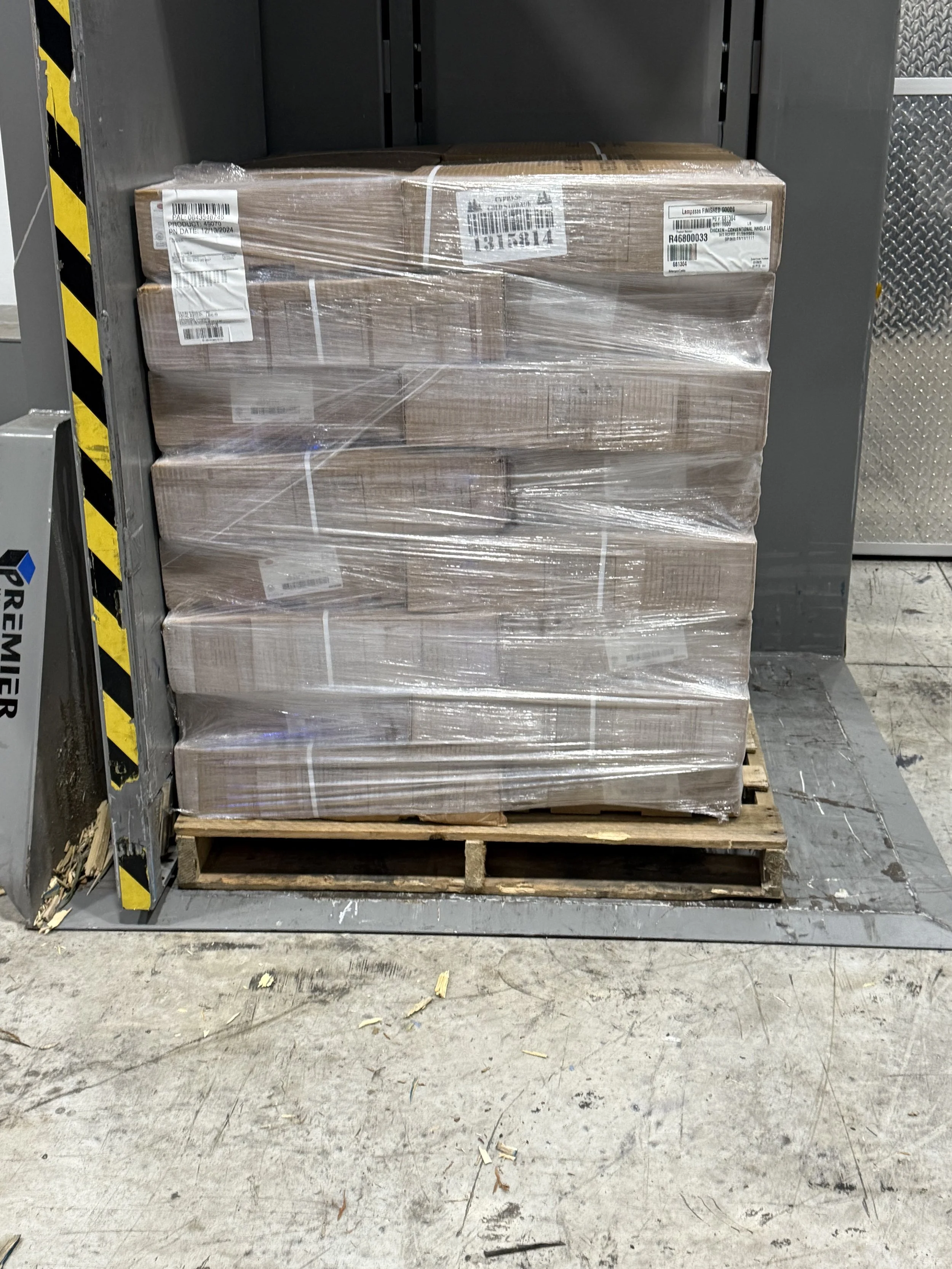
Pest control and sanitation. A written pest management contract, documented service, and log of corrective actions are standard. Use sealed wall‑to‑floor coving in processing zones and high‑spill areas. Pallets must be off the floor and away from walls to allow inspection. Wood pallets are still common, but splintering and cleanliness get attention.
Allergen control and segregation. Even in a warehouse that never opens a package, commingling allergens in ways that confuse labeling or cross a product spec can cause recalls. Dedicate rack rows or zones for nuts, dairy, and wheat‑containing goods. If you repack, a basic allergen program with color coding and verified cleanup procedures is not optional.
Lot tracking. You need to know what came in, when it came in, where it sits, and where it went. For cold storage near me searches, clients assume WMS with lot and temperature capture at dock. Metro Health does not audit ERP systems for style points, but they will ask you to trace a lot in real time. If you cannot, they will note it.
Employee practices. Hand sinks with hot and cold water, soap, and towels are required in food handling zones. If your team only handles sealed packages, you still need restrooms, break areas, and no‑eating signage inside storage. Gloves and hair restraints become mandatory when food is exposed. Metro Health field staff are reasonable when you show training records and a practical plan.
OSHA and worker safety in cold environments
OSHA does not issue San Antonio‑specific rules, but local inspectors after a reported injury will judge you on federal standards and common sense. Forklifts on slick floors, low visibility in foggy docks, and long exposure in freezers create predictable hazards.
Forklift and pedestrian separation. Mark aisles with high‑contrast striping that will not vanish under condensation. Install guardrails on corners near personnel doors. Cameras and blue spotlights help but are not a substitute for training and routing. One incident I investigated started with a blind corner near a blast freezer where vapor fogged the air. The fix was simple: a convex mirror, modified racking to open sight lines, and a policy that drivers honk twice at that corner.
Cold stress. Provide freezer suits, liners, and timed warm‑up breaks. Write it down. OSHA leans on the General Duty Clause to cite employers who ignore cold stress. Keep hot beverages in the break area and document temperature and windchill calculations when you set break schedules for subzero work.
Confined spaces and ammonia. If you use ammonia or have a machinery room, lockout/tagout and confined space assessments are mandatory. Gas detection should alarm locally and at a monitored panel. Train first responders in evacuation routes and muster points, then invite the local fire station for a walkthrough. The crews appreciate it, and it shortens any emergency response.
Environmental issues that sneak up on projects
Refrigerant management. EPA Section 608 requires certified technicians for service on most systems and leak repair at defined thresholds. Keep charge logs, service records, and leak repair documentation. Large charges trigger extra reporting. An inspector in Bexar County once asked for logs after a neighbor complained of a chemical odor. The operator had the logs, showed rapid response to a minor leak, and the issue died in minutes.
Stormwater. A cold storage facility in San Antonio TX with more than an acre of disturbed area during construction needs a SWPPP and a posted notice. Ongoing, if you operate a large truck court and loading operation, you may fall under a Multi‑Sector General Permit for stormwater. Inspectors care about oil leaks, trash management, and washdown practices. Design your dock drainage to keep wash water out of storm drains. SAWS and TCEQ both take that seriously.
Backflow and wastewater. Any facility with chemical feeds to cooling towers or hose bibs used for cleaning must install approved backflow assemblies and test them annually. SAWS requires registration and testing by certified testers. Floor drains in food areas need proper traps and maintenance. Grease traps are not common in pure cold storage, but if you add any food processing or a test kitchen, you will be in grease trap territory quickly.
Noise and light. Industrial refrigeration can hum. If you are near residential areas, evaluate condenser locations and add acoustic screens as needed. Night lighting on truck courts should be full cutoff to satisfy city codes and keep peace with neighbors.
The permit sequence that avoids rework
If you are building or converting space for refrigerated storage San Antonio TX, a clean sequence saves you from costly change orders.
Start with zoning verification, floodplain check, and a preliminary plan review. Submit for building permit with architectural, structural, mechanical, electrical, plumbing, and fire protection plans. Include panel shop drawings or at least performance specs for walk‑in coolers and freezers, refrigerant equipment data, and a code summary table that addresses occupancy, egress, and fire suppression. If your refrigerant charge approaches threshold limits, include the machinery room ventilation design and gas detection details.
In parallel, apply for a Metro Health food permit if your operation requires it. They will want a plan review that shows floor finishes, sink locations, racking layout, and intended products. If you fall under USDA for meat or poultry, start the conversation with FSIS early. They may require specific room finishes and dedicated inspection spaces that affect your plan.
Coordinate with CPS Energy for electrical service size and meter location, and with SAWS for backflow. If you need a new fire line, schedule it early. Fire line taps and vaults can bottleneck the project schedule by weeks.
Finally, line up special inspections and tests. For freezers, that includes sprinkler acceptance tests at low temperature, gas detection commissioning, and potentially envelope testing if the city requests it. Inside the box, you will run temperature pulls and document stability before receiving product.
Temperature zoning, airflow, and product realities
Regulation is one reason to carve your building into zones. Product reality is the other. A mixed‑use refrigerated storage near me search will return facilities promising everything from ice cream to leafy greens. In practice, trying to hold both in the same box invites complaints and shrink.
Leafy greens prefer high humidity near 34 F. Meat coolers can sit in the 34 to 38 F range. Ice cream wants minus 10 to minus 20 F for scoopable texture. A blast freezer adds another layer, with high air velocity and much colder temperatures during pull‑down. Plan aisles, return air paths, and defrost cycles to avoid freeze‑thaw swings near doors and docks. I have seen facilities that meet code but struggle to meet spec because the dock acts like a desert, drying out produce and raising the temp of dairy edges. The fix can be as simple as vinyl strip curtains, faster door operators, or better rack placement for sensitive goods.
Energy code and incentives that matter to the bottom line
San Antonio enforces energy codes that push you toward efficient envelopes, doors, and equipment. High‑speed doors with tight seals, proper panel thickness, and LED lighting with occupancy sensors help you comply and reduce operating cost. CPS Energy occasionally offers incentives for high‑efficiency motors, VFDs, and lighting. The payback on demand control for condensers and evaporators is often under two years in our climate. Do not let compliance feel like a burden. With summer highs routinely above 95 F, the savings are real.
Commission the system as if your profit depends on it. It does. Set defrost schedules with data, not guesses. Balance air changes based on measured performance. Measure kWh against product movement. A facility that hits temp but burns double the energy will feel it when the first year’s utilities come in. In one refrigerated storage San Antonio TX conversion, tuning evaporator fan speeds and defrost windows cut the peak load by 18 percent and eliminated fogging at the dock. No new hardware, just controls work.
Common pitfalls inspectors cite, and how to avoid them
- Doors without inside release or with frozen gaskets that impede egress. Choose heated frames, maintain gaskets, and verify operation during walk‑throughs. Condensation over product areas or in docks. Increase air movement, fix door seals, and add air curtains where traffic is heavy. Inadequate backflow protection on hose bibs and chemical feed lines. Install the right assemblies and keep annual test reports ready. Missing or incomplete temperature logs and corrective actions. Use automated monitoring with alerts and document responses when temp excursions occur. Poor pest exclusion at dock doors, especially during produce season. Calibrate air curtains, seal gaps, keep doors closed when idle, and manage waste tightly.
These are not theoretical. They show up in Metro Health inspection reports and in city finals. Building them into your plans avoids phone calls you do not want.
Choosing a partner, and what “near me” should actually mean
If you are searching for a cold storage facility near me or refrigerated storage near me because you need space quickly, proximity matters. In food logistics, though, “near me” should also mean near your routes, near your inspectors, and near your utility capacity. A facility five miles farther that sits on a truck‑friendly route and has a history of clean inspections will out‑perform a closer box that bottlenecks trailers or collects citations. Ask operators for their most recent Metro Health reports. Look at dock scheduling tools. Tour during peak hours and watch for congestion.
For operators shopping equipment or contractors, prioritize teams who have delivered in this climate. A design that works at higher altitudes can fight humidity here. Ask to see details on vapor seals at panel joints, specifications for door heaters, and the plan for under‑slab frost protection. San Antonio’s heat and humidity punish wishful thinking.
Documentation that keeps everyone aligned
Regulators appreciate clear files. Your staff benefits even more. Create a simple binder or digital folder with these essentials:
- Facility drawings and permits, including fire and machinery room details. Food safety program: hazard analysis, temperature monitoring SOPs, corrective action templates, and training records. Refrigeration system documents: P&IDs, refrigerant charge logs, leak response plan, and service records. Safety program: PPE requirements for cold work, forklift training, lockout/tagout procedures, and emergency action plan. Utility and maintenance schedules: door seal checks, defrost verification, backflow test certificates, and sprinkler inspections.
During an inspection, producing these quickly shifts the tone from fishing expedition to professional dialogue. I have watched a 45‑minute audit shrink to 15 minutes when the operator handed over crisp records and live temperature dashboards.
Timelines and realistic budgeting
From first sketch to the first pallet, a ground‑up cold storage facility in San Antonio TX can take 10 to 18 months, depending on size, utilities, and whether you hit the rainy season during slab work. Conversions can be faster, but structural and slab upgrades add unpredictability. Budget contingency for refrigerant pricing volatility and lead times on Auge Co. Inc. cold storage equipment. The industry has seen compressor packages swing by double‑digit percentages year to year, and lead times that stretch to 20 to 30 weeks. Order early and lock scope.
On the operational side, plan for the first 60 days to be bumpy. Temperature setpoints drift as loads fluctuate, defrost cycles need adjustment, and staff learn the quirks of doors and traffic patterns. Build that time into customer onboarding promises. Clients will forgive a careful ramp, they do not forgive melted ice cream or wilted greens.
The local edge
San Antonio’s regulators are accessible. Development Services will answer pre‑submittal questions. Metro Health sanitarians are practical and responsive when you propose reasonable controls. SAWS testers are predictable if you follow the process. Cultivate those relationships. Invite inspectors to pre‑final walkthroughs. Share your SOPs and ask for feedback. The result is a facility that not only passes inspections, but also runs cleaner, safer, and more efficiently.
If you are an operator evaluating a cold storage San Antonio TX option for your products, look beyond the brochure. Ask about temperature performance during August, not January. Request sample logs from a week of full operations. Stand on the dock at 3 p.m. and watch how doors cycle, how the air moves, and how forklifts and people share space. Good facilities are easy to spot when you know what to look for.
And if you are building your own, treat the regulatory path as the backbone of your project plan. It will keep you honest on the details that matter: door hardware that works on a freezing morning, slab design that lasts, alarms that catch a problem before product warms, and a paper trail that shows you are in control. That is what customers buy when they search for a refrigerated storage San Antonio TX partner they can trust.